
Michael’s Burden of Guilt
The ReaderMichael repeatedly interprets his choices as betrayals, from concealing Hanna to withholding the truth that might have helped her at trial.
increasing Bearing strength in each event
 decreasing
Bearing strength in each eventdecreasingThe First Self-Accusation

A Departure Reinterpreted
The Missed Recognition
Michael remembers seeing Hanna at the pool but failing to run to her. When she disappears the next day, he treats his hesitation as the reason she left.
Guilt Without Proof
He does not know that Hanna’s departure was connected to fear of exposure at work. The guilt is emotionally real even where its causal story may be mistaken.
The Defendant He Loved
Recognition and Shame
A Familiar Body
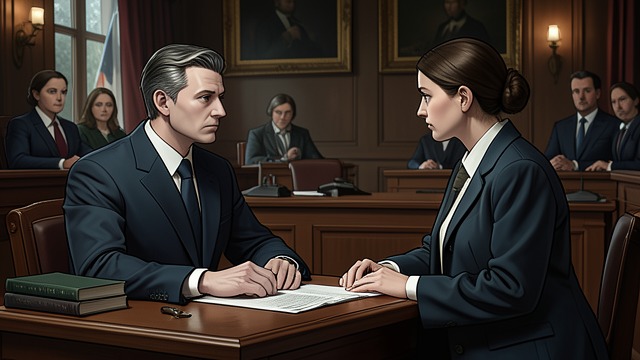
Michael recognizes Hanna in court but feels numb. Her identity connects his private past with a public account of crimes committed in the camps.
The Question of Complicity
He wonders whether loving a criminal makes him guilty, even though he knew nothing of her wartime actions when they were together. The question destabilizes the distinction between moral judgment and personal attachment.
The Withheld Secret
Silence as a Choice
A Possible Defense
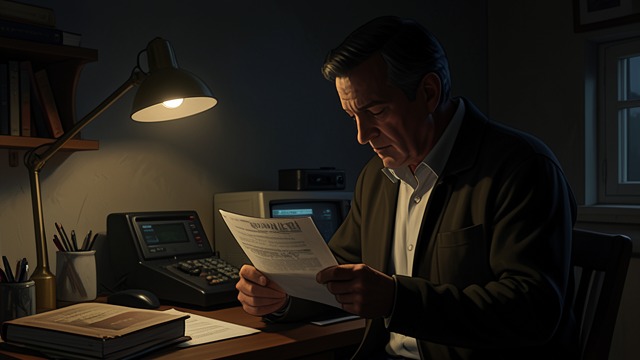
Michael realizes that Hanna cannot read and that this has compromised her defense. He considers telling the judge so the court can assess her role more accurately.
A Protected Self-Image
He also understands that Hanna would rather be punished than exposed as illiterate. He does not tell the court, leaving himself with the knowledge that restraint and self-protection may be difficult to separate.
The Tapes Without Letters

Contact at a Distance
A One-Way Exchange
Michael records books for Hanna but never writes a personal letter. The tapes let him remain connected while avoiding questions about her life or his own.
A Deferred Reply
Hanna sends brief notes after learning to write, and the warden later reveals that she hoped Michael would answer. His repeated silence turns the relationship into an unequal form of communication.
The Unanswered Farewell
Responsibility After Death
A Last Instruction
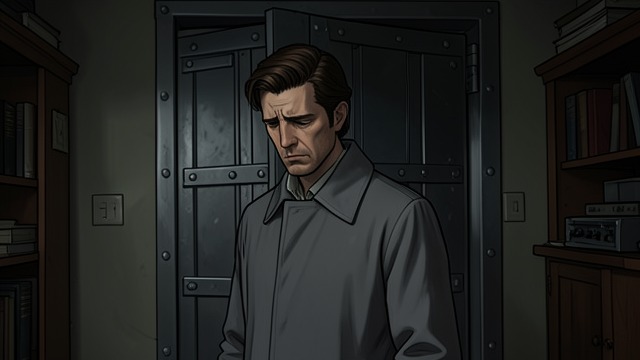
Michael carries Hanna’s money to the surviving daughter, who refuses to grant her absolution. He cannot repair their relationship through the act of fulfilling the bequest.
A Life Not Escaped
In later reflection, he says the old questions of guilt and betrayal eventually lose their urgency, but remain part of his life’s path. Writing becomes a way to acknowledge the burden, not to free himself from it.
The summer after Hanna leaves Heidelberg
At the beginning of the trial
Late in Hanna’s trial
From the eighth year of Hanna’s sentence
After Hanna’s suicide
